



Sep 28, 2026
Where Did My Money Go? Your Convenience Spending Is Trying to Tell You Something
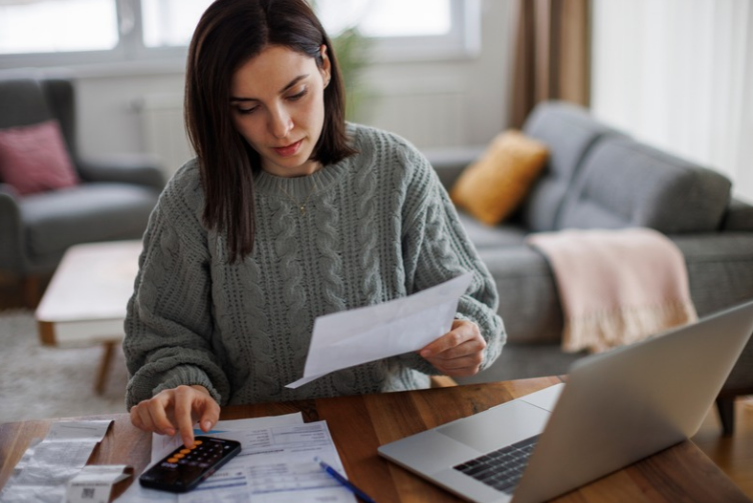
You didn’t buy anything big. That’s the annoying part.
There’s no $900 purchase in your account history to explain everything. No emergency expense that’ll give you that “well, that’ll do it” moment. There’s just this long list of small charges that looked harmless at the time.
Coffee. Takeout. Delivery fees. Gas station snacks. A Target run for one thing that turned into seven. A subscription that renewed quietly. Lunch because you forgot to pack something. Another lunch because yesterday went the same way.
That’s convenience spending. And most of the time, it’s not about being careless with money. It’s about being busy.
The problem starts when convenience stops being occasional and becomes the plan.
Convenience has a markup
Convenience spending is what you pay when you need something to be easier right now.
Sometimes it’s worth it. A grocery pickup order might save you time and keep impulse buys out of the cart. Takeout after a brutal day might be the thing that keeps the evening from falling apart. A subscription your household actually uses can be money well spent.
But convenience usually comes with a markup.
Delivery becomes more than dinner. By the time you head over to the continue to checkout button, you’ll see that number climb as it will include the menu price, service fee, delivery fee, tax and tip. A quick stop is not just a drink. It’s the drink, the snack, the thing at the register and the habit of stopping again tomorrow.
Subscriptions work the same way. One doesn’t feel like much. Several become a bill. Bank of America Institute reported that subscription spending rose 7.7% year over year in July 2026, growing faster than overall card spending. Entertainment and retail subscriptions made up about 43% of subscription spending.
Food away from home is another category worth watching. The Bureau of Labor Statistics reported that the average U.S. consumer unit spent $3,945 on food away from home in 2024.
None of this means you should never order food, buy coffee or keep Netflix. That’s not real life. The point is simpler: if a category keeps surprising you, it needs a spot in the plan.
The charge is less important than the pattern
One $18 lunch is not the issue. The pattern around it is.
Maybe lunch keeps happening because mornings are chaotic. Maybe dinner delivery keeps happening because the groceries at home require actual cooking and everyone is already done for the day. Maybe the “quick” grocery trips are expensive because there isn’t a list. Maybe subscriptions are piling up because no one has reviewed them since they signed up for a free trial two debit cards ago.
This is where most budgeting advice gets irritating. It tells people to cut the coffee and move on.
But if the coffee is the only quiet moment in your day, that advice is not useful. If delivery keeps happening because your schedule is packed, “just cook at home” is technically correct and completely unhelpful.
A better question is: what job is this spending doing?
Is it saving time? Reducing stress? Covering for a routine that isn’t working? Making a hard day slightly easier? Or is it just happening because the app is there and your card is saved?
That answer tells you what to fix.
Try the “worth it or automatic?” test
Open your account history and look at the last 30 days. Do not start by cutting anything. Just look.
Find the small charges like takeout, delivery, coffee, snacks, subscriptions, online orders, app purchases, rideshares, convenience stores. Then put each one into one of two groups.
- Worth it: You remember it. You used it. It made life easier in a way that still feels reasonable.
- Automatic: You barely remember it, didn’t really need it, forgot it existed or bought it because the day got away from you.
That’s it.
You’re not aiming to make your life less convenient. The goal is to stop paying for convenience you don’t actually value.
Fix the routine, not just the receipt
The best way to reduce convenience spending is not willpower. It’s making the easier choice a little less expensive.
- If lunch keeps getting you, keep two backup meals around that require almost no thought.
- If dinner is the problem, stop planning fantasy-weeknight meals. Keep something realistic at home for the nights when cooking is not happening.
- If grocery runs keep going sideways, shop with a list and give yourself one refill trip.
- If subscriptions are the leak, set a monthly “keep or cancel” date.
- If small card purchases disappear from your brain immediately, turn on transaction alerts.
Hughes members can use digital banking tools to review recent account activity, and myHUB Money Insights can help show spending patterns more clearly. That can be useful because the pattern is usually easier to change once you can actually see it.
Give the money a better place to go
Cutting a habit only works if the money does not quietly disappear somewhere else. Cancel a $12 subscription? Move $12 to savings. Skip one delivery order? Move part of what you would have spent toward a goal. Lower one category?
Give the difference a job before it gets absorbed into the week.
This is where a specific savings account can help. Hughes You Name It Savings lets members name accounts after goals, which makes the money easier to separate. “Car Repairs” is harder to raid than a random savings balance. Same with “Holiday Money,” “Emergency Fund” or “Trip Fund.”
The name creates a little friction. Sometimes that’s enough.
Keep the convenience that earns its keep
Not all convenience spending needs to go. Some of it is practical. Some of it buys time. Some of it protects your sanity. That counts.
But the convenience you keep should be the kind you choose on purpose.
So start small. Pick one category from the last 30 days and adjust it. Not ten categories. One.
Cancel the unused subscription. Set a takeout limit. Switch delivery to pickup. Add alerts. Move the saved money into a named savings goal.
Then check again next month.
The question is not, “How do I stop spending on convenience?”
The better question is: “Which convenience is actually worth paying for?”
Once you know that, your money gets a lot easier to understand.
Log in to Hughes Digital Banking to review recent spending and explore tools like myHUB Money Insights. To learn more about savings options for specific goals, visit HughesFCU.org/save.